
Call: 08045475582
 Send Inquiry
 Send Inquiry
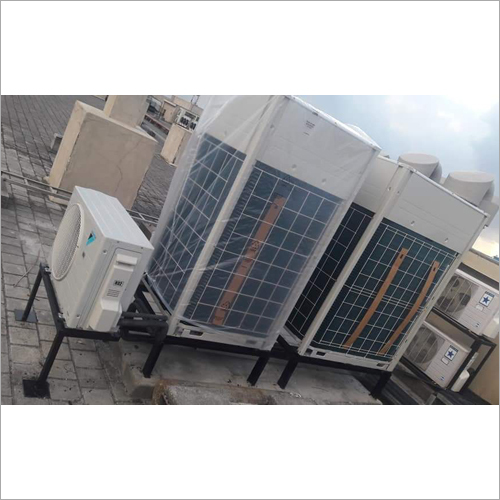
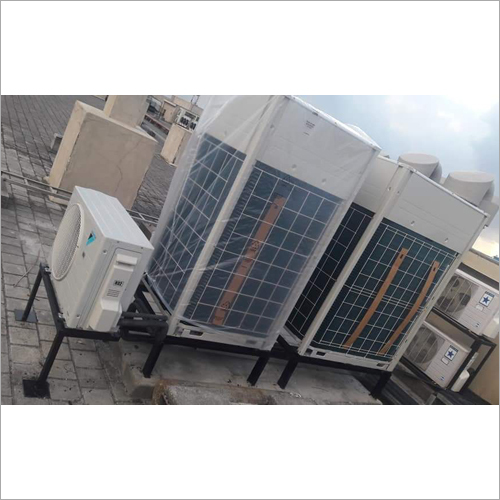
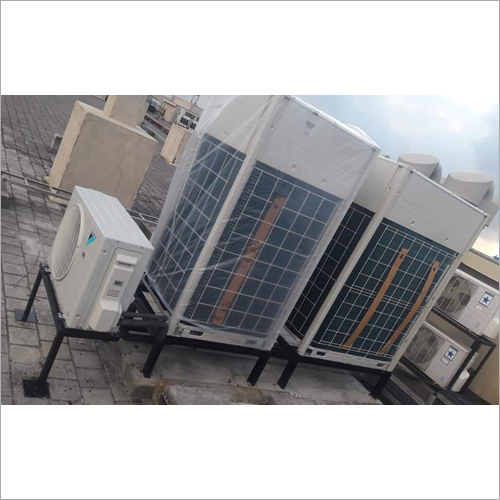
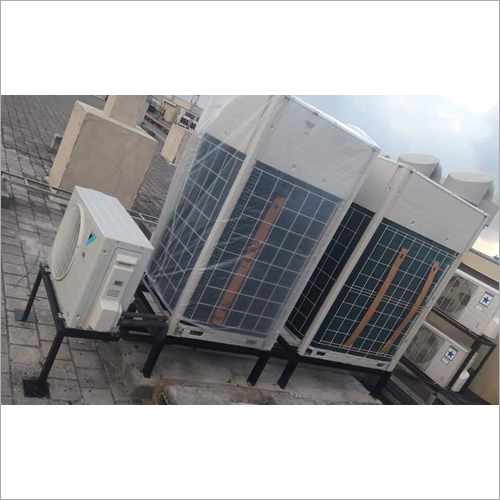
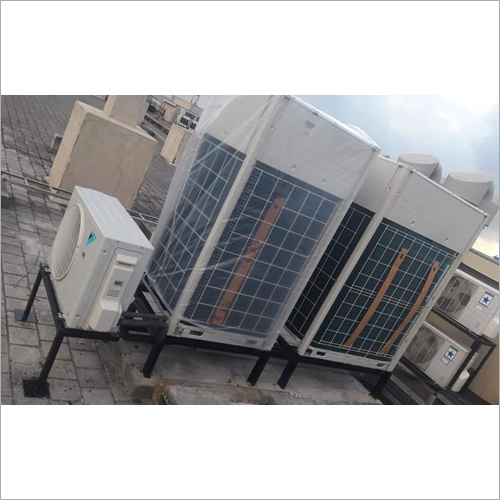
VRV VRF Central Air Conditioning System
Price 250000.0 INR/ Unit
MOQ : 1 Unit
VRV VRF Central Air Conditioning System Specification
- Filtration Grade
- High-Efficiency Mesh Filter
- Power Mode
- AC (Electric)
- Mounting
- Other
- Outdoor Fan Input
- 550W - 2,800W
- Sensible control
- Microprocessor Based
- Condition
- New
- Running Current
- 3A - 45A (Depending on model)
- Power Consumption
- As per model (6 kW - 55 kW)
- Compressor
- Twin Rotary / Scroll (Inverter)
- Type Of Compressor
- DC Inverter
- Cooling Capacity
- Up to 150 kW
- Place of Origin
- India / Imported
- Temperature Control
- Automatic (Digital control)
- Power Supply
- 3 Phase 380-415V, 50Hz
- Air Flow Capacity
- 1000 to 9000 m3/h
- Heating Capacity
- Up to 168 kW
- Indoor Fan Input
- 40W - 180W
- Refrigerant
- R410A / R32 (eco-friendly)
- Dimension (L*W*H)
- 975x765x1160 mm (typical outdoor), 1200x230x700 mm (typical indoor)
- Type
- VRV VRF Central Air Conditioning System
- Cooling/Heating
- Cooling and Heating
- Capacity
- 5.6 HP - 54 HP (Modular) / 16 kW - 150 kW
- Power Source
- Electric
- Voltage
- 380-415V
- Color
- White / Custom
- Weight (kg)
- Outdoor: 180-450 kg, Indoor: 25-60 kg
- Working Temperature
- -5C to 48C
- Fan Speed
- Multiple (3~5 step available)
- Noise Level
- Indoor: 28~48 dB(A), Outdoor: 52~60 dB(A)
- Energy Efficiency Rating
- High (up to 4.50 EER)
- Remote Operated
- No
- Humidity Control
- Yes
- Control Method
- Centralized & Individual
- Operating Modes
- Automatic, Cool, Heat, Fan, Dry
- Communication Protocol
- BACnet / Modbus / Proprietary
- Anti-Corrosion Coil Coating
- Yes
- Service Access
- Front / Side Panel
- Thermostat
- Digital Room / Wireless Option
- Pipe Length
- Up to 165 meters (total length)
- Display
- LED / LCD
- Intelligent Defrost
- Yes
- System Configuration
- Modular, Expandable
- Inverter Technology
- Yes (Energy Efficient)
- Max. Connectable Indoor Units
- Up to 64 units
- Auto Restart
- Yes
- Installation Area
- Commercial, Industrial, Residential
VRV VRF Central Air Conditioning System About
VRV (Variable Refrigerant Volume) and VRF (Variable Refrigerant Flow) are advanced, energy-efficient direct expansion HVAC systems that use inverter-driven technology to precisely control refrigerant flow to multiple indoor units. They connect one outdoor condensing unit to up to 64 indoor units, offering simultaneous heating/cooling and individual zone control, ideal for commercial or large residential buildings.
Key Components & Technology
- Outdoor Unit (ODU): Contains one or more variable-speed inverter compressors, modulating output to match real-time load requirements, maximizing energy efficiency.
- Indoor Units (IDUs): Various types (cassette, duct, ceiling-suspended) can be connected to a single ODU.
- Refrigerant Piping & Refnet Joints: Copper piping distributes refrigerant throughout the building using specialized "Refnet" joints.
- Controls: Each zone has its own thermostat, with central, web-based, or BMS integration capabilities.
Key Features and Variations
- VRV vs. VRF: They are functionally identical technology. "VRV" is a term trademarked by Daikin, who pioneered it, while "VRF" is the generic industry term.
- Heat Pump vs. Heat Recovery: Heat pump systems allow all units to heat or cool, while Heat Recovery (HR) units allow simultaneous heating and cooling in different zones.
- Hybrid VRF (HVRF): A specialized system using refrigerant between the ODU and a controller, and water between the controller and indoor units, eliminating the need for refrigerant leak detection in occupied rooms.
- Water-Cooled VRF: Uses a water loop (cooling tower or ground source) rather than air to exchange heat, often used in high-rise buildings or interior, space-constrained installations.
Advantages
- High Energy Efficiency: Only supplies the exact amount of cooling or heating needed.
- Individual Zoning: Independent temperature control for different rooms.
- Design Flexibility: Long pipe runs allowed between outdoor and indoor units.
- Quiet Operation: Designed for low noise levels
Exceptional Flexibility and Expandability
Designed as a modular system, this VRV VRF air conditioner can be tailored to large or growing applications. Connect up to 64 indoor units from a single outdoor module, with total piping lengths reaching 165 meters. The scalability makes it ideal for commercial, industrial, or multi-story residential installations where future expansion is anticipated.
Energy Efficiency and Eco-Friendly Operation
With inverter technology, high energy efficiency ratings, and eco-friendly refrigerants (R410A/R32), this system optimizes power use while minimizing its environmental impact. Whether cooling or heating, it adjusts capacity dynamically, offering comfort even in demanding climates from -5C to 48C.
Comprehensive Control Options and Intelligent Features
Control can be fully centralized or individually adjusted per room via digital or wireless thermostats. With intelligent defrost, auto-restart, LED/LCD display, BACnet/Modbus compatibility, and microprocessor-based management, system operation remains smart, user-friendly, and reliable.
FAQ's of VRV VRF Central Air Conditioning System:
Q: How is the VRV VRF Central Air Conditioning System controlled in large-scale buildings?
A: The system supports both centralized and individual controls, allowing building managers to administer the entire network of up to 64 indoor units from a single point or empower users to modify settings in their respective areas, maximizing operational flexibility and user comfort.Q: What benefits does the inverter technology provide for this air conditioning system?
A: Inverter technology ensures highly efficient operation by dynamically adjusting compressor speed to meet real-time cooling and heating needs. This results in lower energy consumption, reduced operating costs, and quieter performance, while maintaining precise temperature control.Q: When should I consider using a modular VRV VRF system over conventional air conditioning solutions?
A: A modular VRV VRF system is recommended for projects requiring large capacity, future expansion, centralized management, and multi-zone control-common in commercial buildings, multi-family residences, and industrial settings where flexibility and energy efficiency are crucial.Q: Where can this air conditioning system be installed, considering its features and specifications?
A: Thanks to its wide operating temperature range, customizable configuration, and robust anti-corrosion coating, this system is suitable for installation in commercial properties, industrial facilities, and even high-end residential complexes across diverse climates.Q: What is the installation and setup process for this modular VRV VRF system?
A: Installation involves positioning the outdoor unit(s), running refrigerant piping (up to 165 meters), setting up indoor units, and configuring communication protocols. The modular design simplifies phased implementation, and advanced microprocessor control streamlines commissioning and system balance.Q: How does the system maintain comfort and indoor air quality?
A: The system not only manages cooling and heating, but also provides humidity control, multiple fan speeds, and efficient air filtration (high-efficiency mesh filter), helping maintain optimal indoor conditions and air quality throughout the premises.Q: What communication and service options does the system provide for facility managers?
A: It supports BACnet, Modbus, and proprietary protocols, ensuring easy integration with modern building management systems. Service access is available through front or side panels, and digital monitoring via LED/LCD displays aids in convenient operation and maintenance.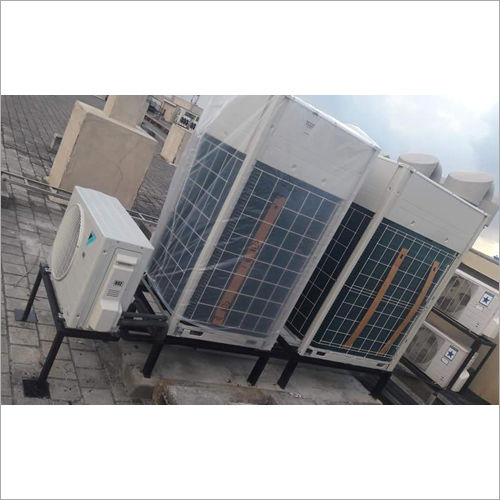
Tell us about your requirement

Price:
Quantity
Select Unit
- 50
- 100
- 200
- 250
- 500
- 1000+
Additional detail
Mobile number
Email

More Products in VRF System Category
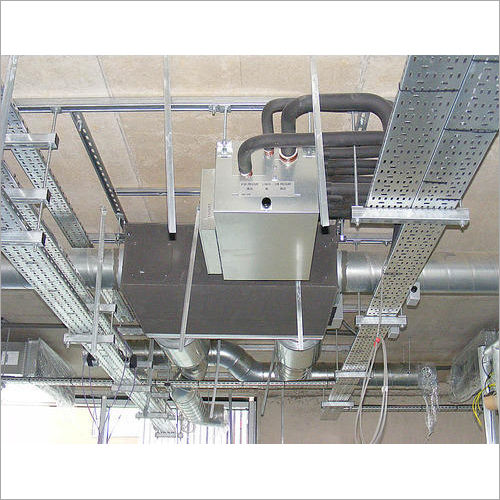
VRF Indoor
Price 45000 INR / Unit
Minimum Order Quantity : 1 , , Unit
Color : White
Power Source : Other, Electric
Type : Wall Mounted Split VRF Indoor Unit
Voltage : 220240V
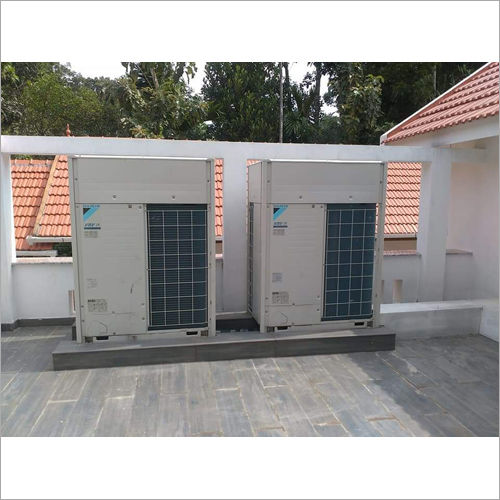
Daikin LG Mitsubishi VRF System
Price 150000.00 INR / Unit
Minimum Order Quantity : 1 , , Unit
Color : Light Grey
Power Source : Other
Type : VRF Outdoor Unit
Voltage : 380V Volt (v)
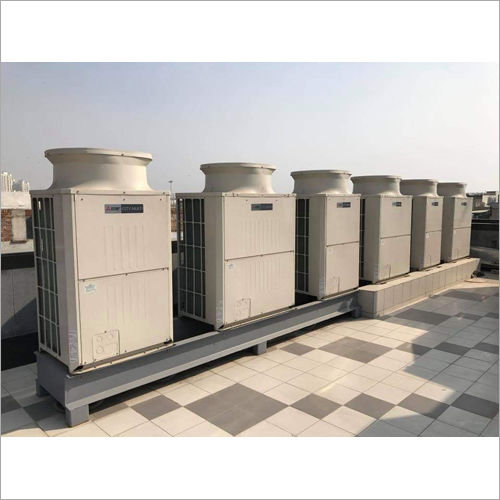
VRF Outdoor
Price 150000.0 INR / Unit
Minimum Order Quantity : 1 Unit
Color : Beige
Power Source : Other
Type : VRF Outdoor Unit
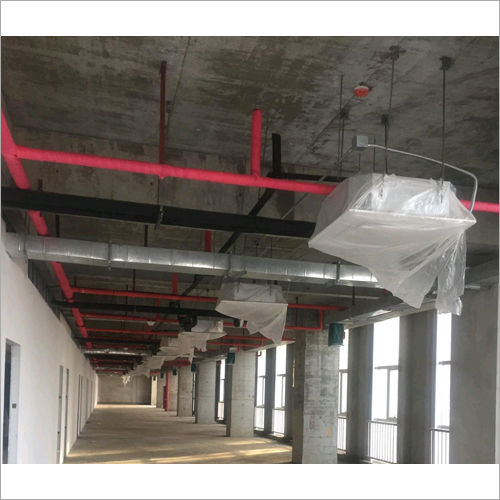
VRV VRF System
Price 150000.0 INR / Unit
Minimum Order Quantity : 1 Unit
Color : White
Power Source : Electrical
Voltage : 220240 V Volt (v)

Contact Details
GST : 27ABVPP0782C2ZB
- 138/5, Phuge Industrial Estate, Shop No.4, Sadgurunagar, Behind Hotel Shivsagar, MIDC, Bhosari,Pune - 411039, Maharashtra, India
- Phone :08045475582
 Send Inquiry
- F-2,Shree Narayan Complex bajaj Nagar, Nagpur-440010

Developed and Managed by Infocom Network Private Limited.
